

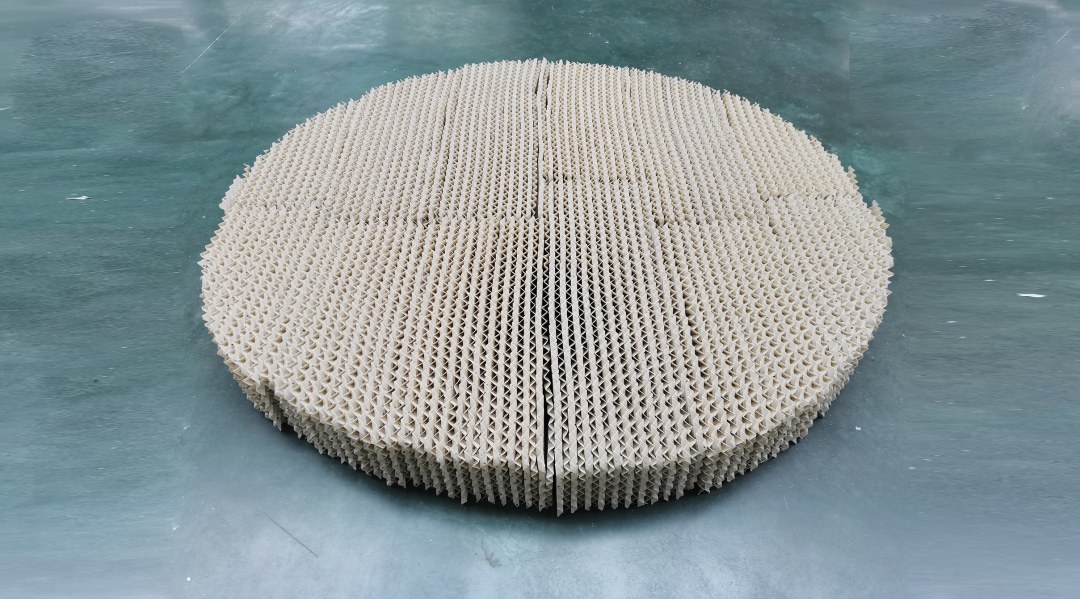
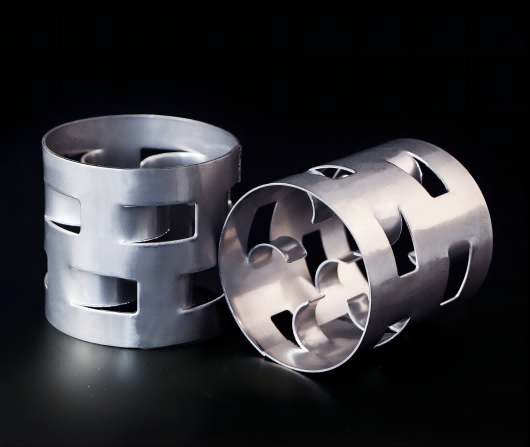
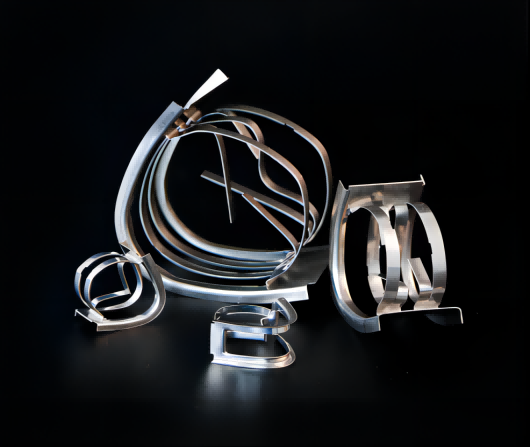
그림 1: 효율적인 물질 전달을 위한 높은 표면적을 가진 PPH 구조화 패킹.
공정 온도가 80°C를 초과하면 일반 폴리프로필렌(PP)은 연화되고 변형되기 시작합니다. PVC는 취성이 생깁니다. 다음과 같은 용도에는 적합하지 않습니다. 고온 세척, 의약품 추출 또는 염소 처리 서비스, PPH(폴리프로필렌 호모폴리머) 화학적 저항성과 열 안정성의 최적 균형을 이룹니다.
이 가이드에서는 PPH 구조화 패킹을 활용하여 타워 침수를 방지하고 열적 환경에서 분리 효율을 유지하는 방법을 설명합니다.
적합한 고분자 소재를 선택하는 것은 매우 중요합니다. 다음은 타워 패킹에 사용되는 일반적인 대체 소재와 비교했을 때 PPH의 장단점 비교입니다.
| 재료 | 최대 연속 온도 | 인장 강도 | 최적의 지원서 |
|---|---|---|---|
| PPH(호모폴리머) | 100-110°C | 높은 | 고온 산성 세척, 염소 |
| RPP(랜덤 PP) | 80-90°C | 중간 | 주변 온도 흡수 |
| PVC | 60°C | 높은 | 냉수/염소 처리 |
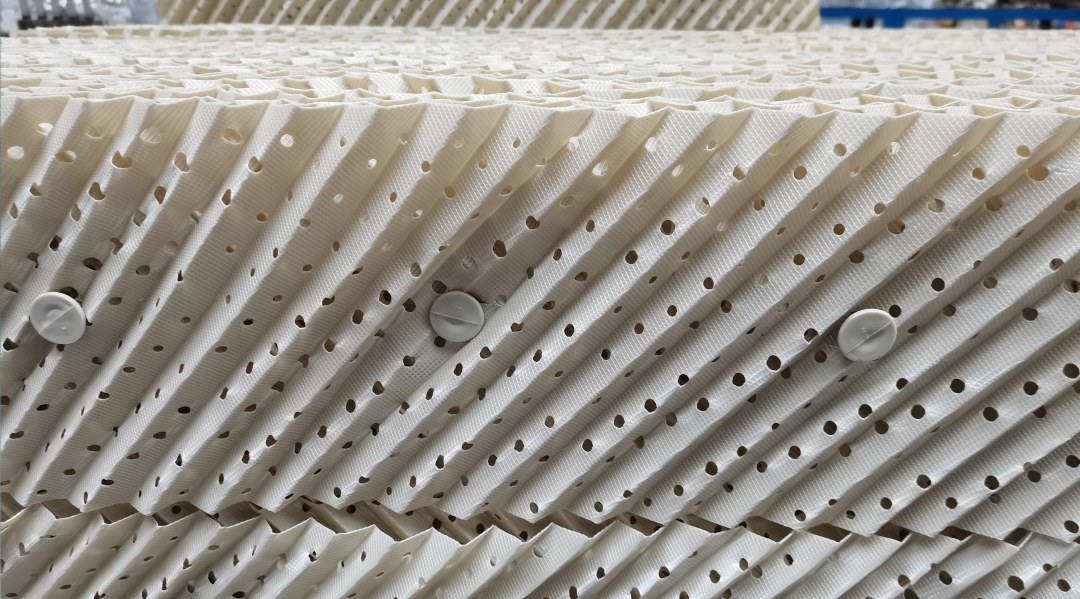
PPH는 PE보다 단단하지만 고온에서 지속적인 기계적 하중을 받으면 "크리프"(느린 변형) 현상이 발생할 수 있습니다. PPH 베드를 6미터 이상 높이로 쌓지 마십시오. 중간 지지대 없이 또는 더 두꺼운 판재를 사용하지 않고.
플라스틱은 강철보다 훨씬 더 많이 팽창합니다. 온도가 10°C 상승할 때마다 PPH는 미터당 약 1.5mm씩 팽창합니다. 포장재 상단을 단단히 고정하면 휘어질 수 있습니다. 수직 방향으로의 자유로운 팽창을 고려하여 설계하십시오.
PPH는 산에 대한 내성은 우수하지만, 염소, 브롬, 과망간산염과 같은 강산화제에는 취약합니다. 이러한 화학물질은 고분자 사슬을 손상시켜 취성을 유발합니다. PPH를 지정하기 전에 산화제 농도를 확인하십시오.
FXSINO는 고객의 타워 직경에 맞춰 고정밀 PPH 구조형 패킹을 제조합니다. 공정 데이터를 보내주시면 24시간 이내에 무료 유압 계산 및 견적을 제공해 드립니다.
FXSINO에 문의하려면 다음 주소로 연락하세요: [[jackieqiu9202@gmail.com]] | [[18507999558]]
© 2026 장시 FXSINO 질량전달기술유한공사. 모든 권리 보유.
 주소
: Intersection of Jinguang Avenue and Chongqing Middle Road, Anyuan Industrial Park, Anyuan District, Pingxiang City, Jiangxi
주소
: Intersection of Jinguang Avenue and Chongqing Middle Road, Anyuan Industrial Park, Anyuan District, Pingxiang City, Jiangxi 전화
: +86-18507999558
전화
: +86-18507999558 이메일
: sales@fxsino.com
이메일
: sales@fxsino.com 왓츠앱
:
+86-18507999558
왓츠앱
:
+86-18507999558





 IPv6 네트워크 지원