우리의 우수한 제품

  • 구조화된 포장
  • 무작위 포장
  • 타워 내부
  • 기타
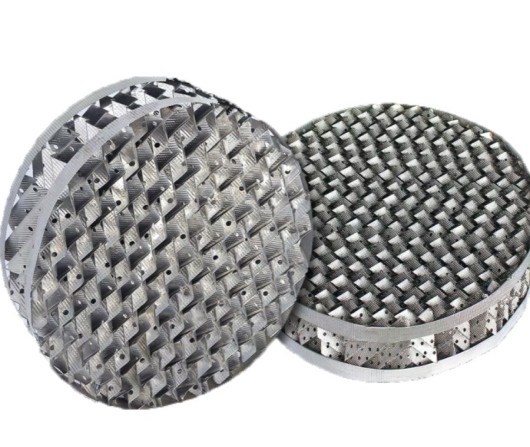
구조화된 포장
metal structured packing random packing
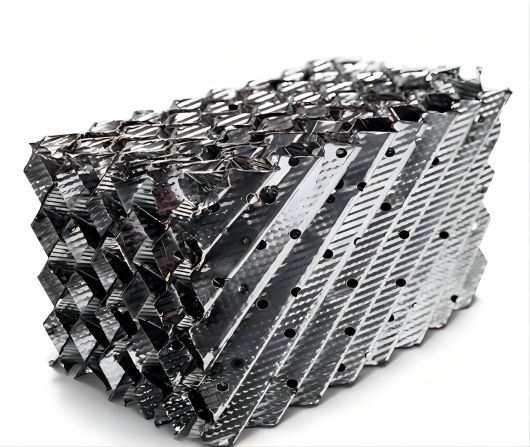
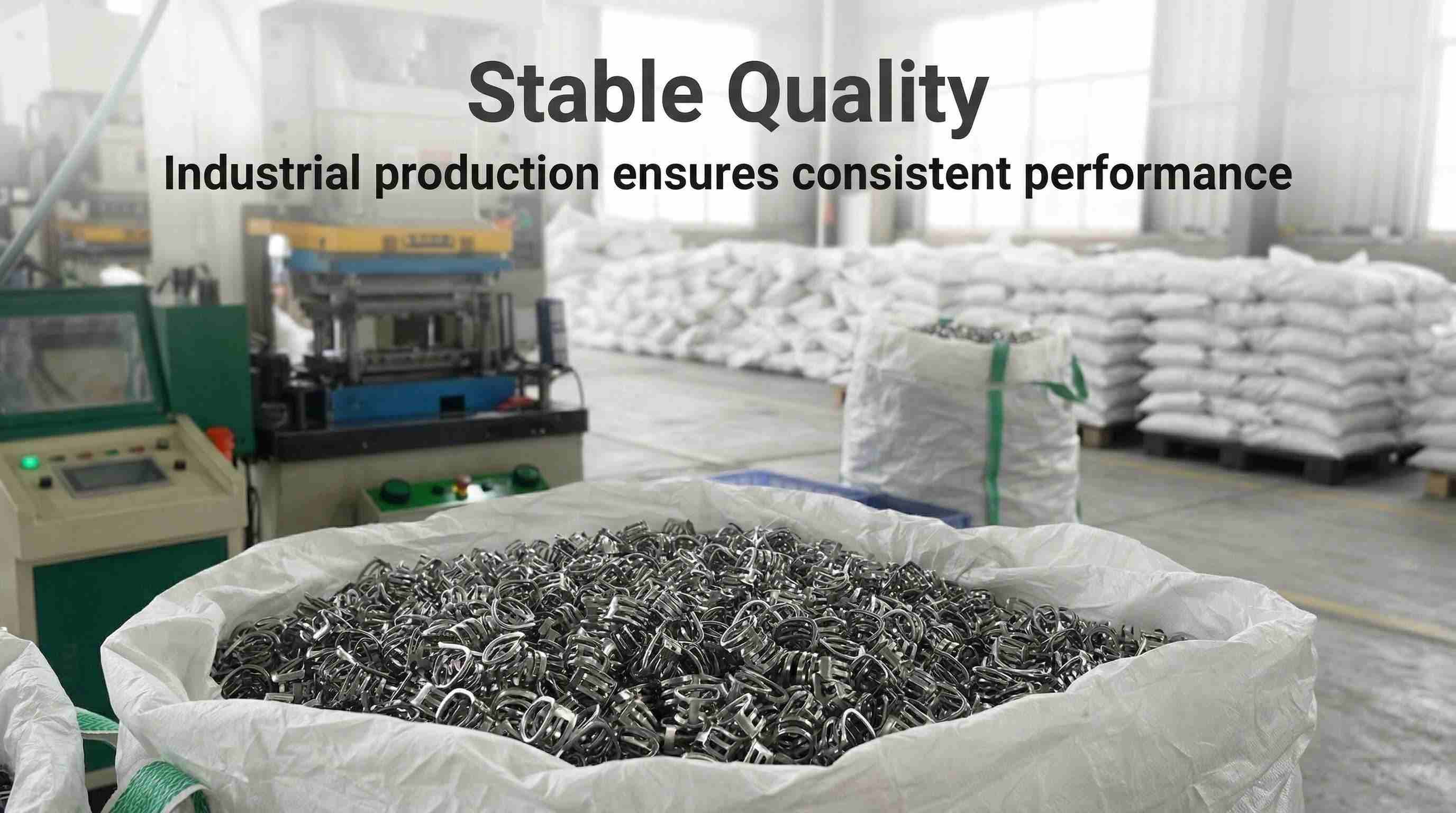
금속 구조의 수행된 타워 패킹
구조화된 포장 타워의 균일한 기하학에 따라 배열되고 쌓인 일종의 패킹입니다. 전체 타워 섹션의 기하학은 규칙적이고 대칭이며 균일하며 기액 흐름 경로가 지정되어 채널 흐름과 벽의 현상을 줄입니다. 흐름 및 압력 강하는 매우 작을 수 있습니다. 동일한 에너지 비용과 압력 강하에서 무작위 패킹보다 더 구체적인 표면적을 제공할 수 있으며 동일한 부피에서 더 높은 물질 전달 및 열 전달 효율을 달성할 수 있습니다. 최근 수십 년 동안, 구조화된 포장 정밀 화학 산업, 향수 산업, 정유, 비료, 석유 화학 산업 및 기타 분야의 많은 타워에서 널리 사용되었습니다.구조화된 패킹 두 가지 다른 경사각으로 사용할 수 있습니다. X타입과 Y타입. Y타입 패킹은 수평축에서 약 45도의 경사각을 가지며 가장 많이 사용됩니다. X타입 패킹은 수평축에서 30도의 경사각을 가지며 고용량, 대용량용으로 사용됩니다. 낮은 압력 강하 애플리케이션.
Plastic perforated structured packing
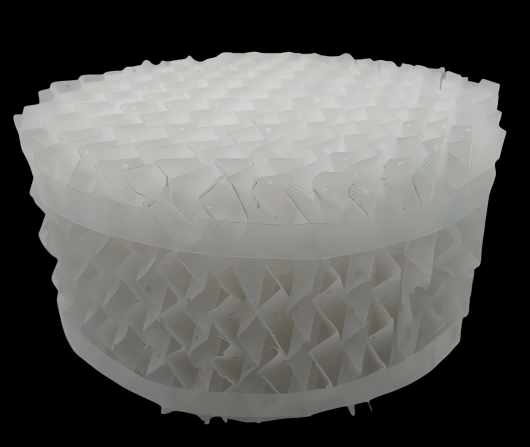
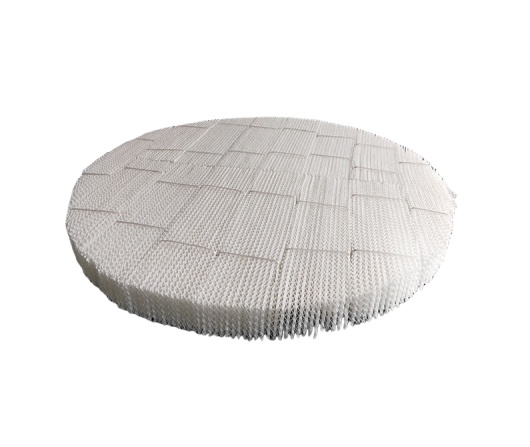
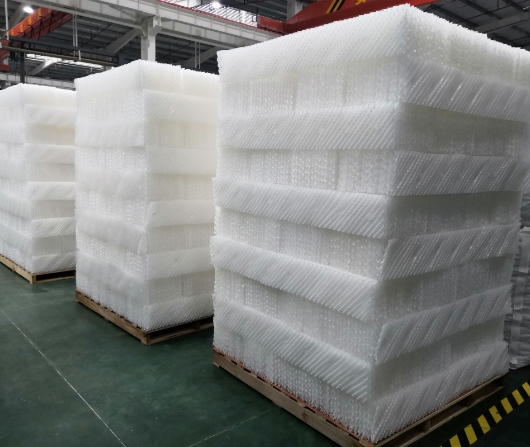
플라스틱 골판지 포장 타워 포장
Metal Mellapak은 시장에서 개발 및 승인되었습니다. 과학자들이 발견 금속 골판지 포장 어떤 매체의 요구 사항에도 적합하지 않았습니다. (산). 게다가 산업현장에서 널리 활용되기는 매우 어렵다. 이후, 플라스틱 골판지 포장 태어났다. 금속 골판지 팩과 비교ing, 그것은 큰 유속, 낮은 압력 강하, 큰 표면적 등을 가지고 있습니다. 
ceramic honeycomb high efficiency gas purification
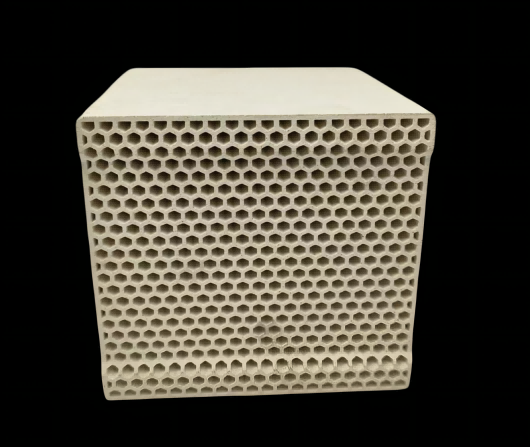
벌집 비석 분자체 고효율 폐가스 정화
현재 VOCs 처리에는 주로 활성탄이 사용됩니다. 활성탄은 고온에서는 분석이 불가능하므로 정기적으로 교체해 줍니다. 그러나 유기물이 흡착된 활성탄은 가공비가 높은 위험한 화학물질이다. 이 친환경 흡착재는 소수성 분자체로 가스 중의 물을 우선적으로 흡착한다는 점에서 일반 분자체와 다르다. 유기물에 대한 선택적인 흡착능력이 높고, 고온에서 분해가 가능하여 지속적인 흡착재생이 가능합니다. 흡착물질은 특수한 제조과정을 거쳐 세포구조로 만들어집니다. 유기물의 흡착능력은 2%이상으로 장기간 흡착재생이 가능합니다. 벌집 분자체배기 가스 농도와 공기량을 줄이는 동시에 촉매 연소 기술과 협력하여 운영 비용을 절감하는 Dopt 흡착 시스템입니다.  
wire mesh structured packing
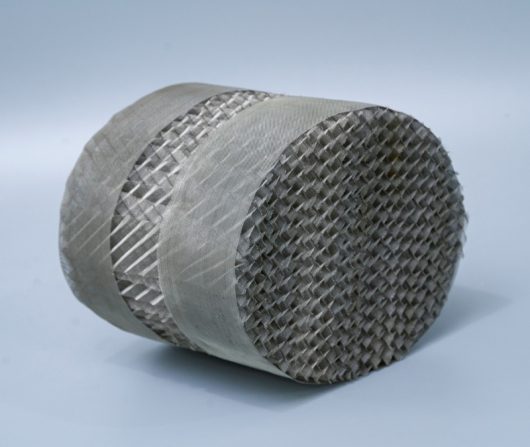
와이어 메쉬 구조의 포장 타워 포장
철망 구조의 포장 비표면적이 크다. 동시에 독특한 모세관 효과로 인해 망사. 패킹 표면의 습윤성이 더 좋습니다. 그래서 분리효율이 높습니다. 다른 종류의 포장재에 비해 압력 강하가 적고 액체 보유량이 적으며 특히 분리가 어렵고 열에 민감한 재료에 적합합니다. 시스템. 와이어 거즈 패킹을 만드는 주요 재료는 스테인레스 스틸, 구리, 알루미늄, 철, 니켈 등입니다.  
plastic structured packing
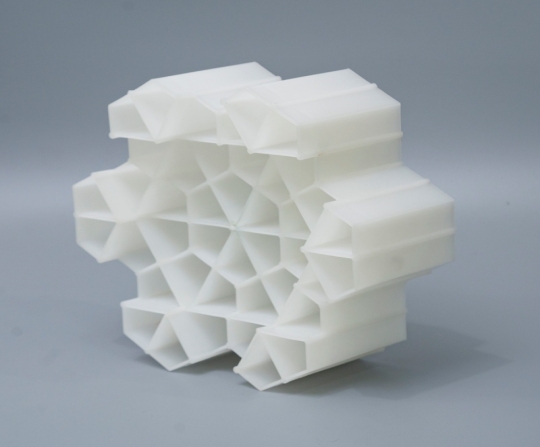
벌집 모양의 플라스틱 지지 블록
벌집 모양의 플라스틱 지지 블록 합성 플라스틱 사출 성형으로 만들어졌습니다. 공식은 다음에 따라 조정될 수 있습니다. 최상의 효과를 얻기 위해 다양한 작업 조건에 따라. 일반적으로 사용되는 가벼운 세라믹 패킹을 완전히 대체합니다. 전에. 당사가 개발한 벌집형 플라스틱 지지블록은 비표면적이 크고 반복적으로 사용이 가능합니다. 통기성이 뛰어나며, 경량자기 대비 2배의 효과를 발휘합니다. 특히 유지보수 과정에서 가벼운 세라믹 포장은 고형 폐기물이 되어 처리가 어렵습니다. 그러나 벌집 모양의 플라스틱 지지 블록은 환경 보호 및 에너지 절약인 재생 가능한 자원으로 재사용됩니다. 코킹의 장기간 테스트를 통해 탈황탑. 벌집 모양의 플라스틱 지지 블록은 강력한 차단 능력과 탁월한 성능을 가지고 있음이 입증되었습니다. 분리 및 정화 효과.        
pph perforated structured packing
PPH 골판지 포장타워 포장
Metal Mellapak은 시장에서 개발 및 승인되었습니다. 과학자들이 발견 금속 골판지 포장 어떤 매체의 요구 사항에도 적합하지 않았습니다. (산). 게다가 산업현장에서 널리 활용되기는 매우 어렵다. 이후, 플라스틱 골판지 포장 태어났다. 금속 골판지 팩과 비교ing, 그것은 큰 유속, 낮은 압력 강하, 큰 표면적 등을 가지고 있습니다. 
252Y structured packing manufacturers
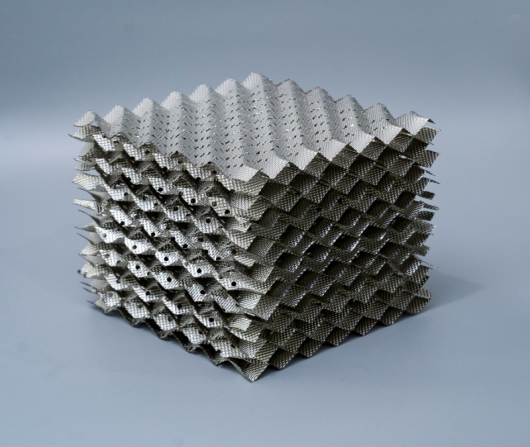
구조화된 포장용 유형 252Y 스테인레스 스틸 천공 골판지
기하학적 구조는 큰 비표면적을 제공합니다. 스크린의 모세관 기능은 또한 표면적의 습윤성을 증가시킵니다. 충전 시 상부 및 하부 포장 트레이가 90° 교차하므로 효율성이 높고 압력이 낮으며 유량이 큰 장점이 있습니다. 진공 증류, 상압 증류 및 분리가 어렵거나 열에 민감한 물질의 흡수 공정에 사용됩니다.  
copper structured packing column
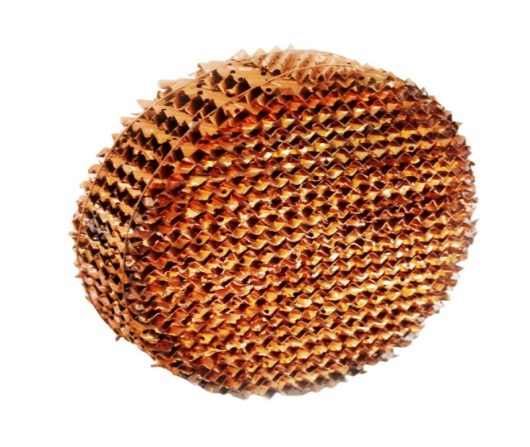
구리 금속 오리피스 플레이트 골판지 포장
구멍이 난 양각 금속 또는 와이어 거즈의 골판지 시트로 구성됩니다. 그 결과 경사진 흐름 채널을 갖춘 매우 개방된 벌집 구조가 형성되어 상대적으로 표면적이 크지만 가스 흐름에 대한 저항은 매우 낮습니다. 액체 확산을 극대화하기 위해 표면 강화가 선택되었습니다. 이러한 특성은 저압 및 낮은 관개 속도 응용 분야에서 상당한 성능 이점을 나타내는 경향이 있습니다. 금속 구조 포장은 다양한 압착 고도에 따라 다양한 크기로 제조됩니다. 포장 표면 범위는 50m²/m3(최저 효율, 최고 용량)에서 750m²/m3(최고 효율, 최저 용량)입니다.
무작위 포장
metal tower packing
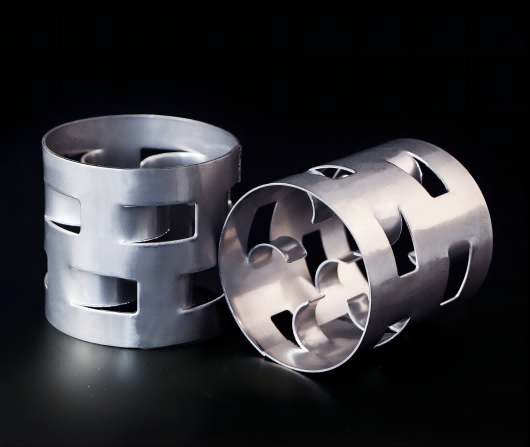
고성능 금속 무작위 포장 금속 폴 링
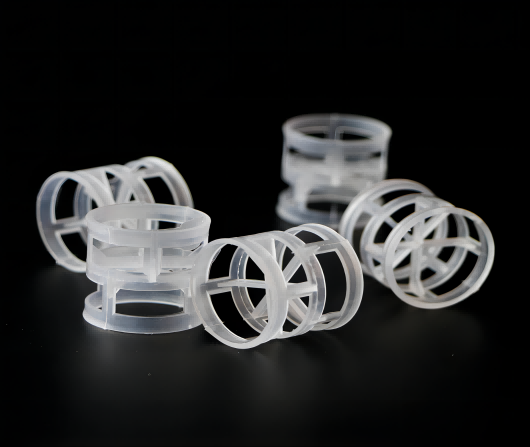
독일 BASF가 개발한 1세대 Random Packing입니다. 에게 Raschig 링과 비교하여 가장 중요한 개선 사항은 두 줄의 증가입니다. 안쪽 잎혀. 액체-가스 유동성을 촉진하고 타워의 패킹 질량을 향상시킵니다. 전송 성능.  
High performance ceramic pall ring
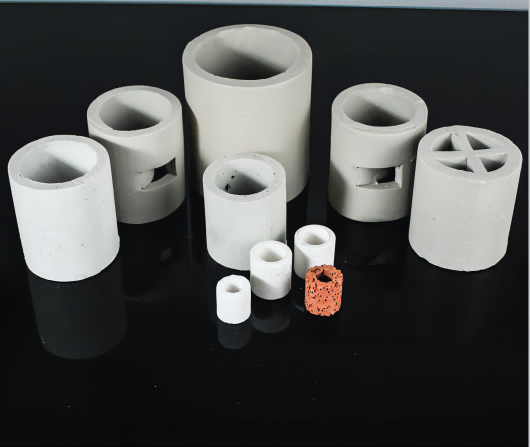
무작위 포장 세라믹 폴 링
독일 BASF가 개발한 1세대 Random Packing입니다. 에게 Raschig 링과 비교하여 가장 중요한 개선 사항은 두 줄의 증가입니다. 안쪽 잎혀. 액체-가스 유동성을 촉진하고 타워의 패킹 질량을 향상시킵니다. 전송 성능.  
metal cascade ring tower packing
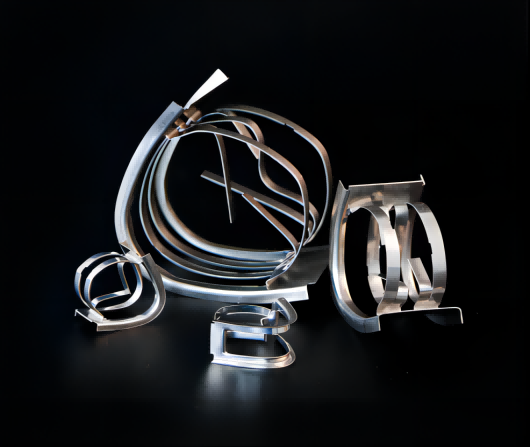
금속 Intalox 안장 링 타워 포장
이 팩의 모양이 안장과 같아서 소위 말하는 안장 반지 또는 벨 링. 그만큼 최초의 새들링 소재는 세라믹입니다. 실제 응용에서는 가스가 흐를 때 위로, 액체는 호 채널을 따라 아래로 흐를 것입니다. 이 운동 방식은 벽 흐름의 발생을 직접적으로 줄입니다. 그러나 아치형 외부 프레임도 원인이 됩니다. 중첩 및 연결. 따라서 과학자들은 두 끝을 직사각형 유형으로 변경합니다. 접촉면. 이러한 개선으로 인해 브리징 현상이 줄어들 것입니다. 
raschig ring
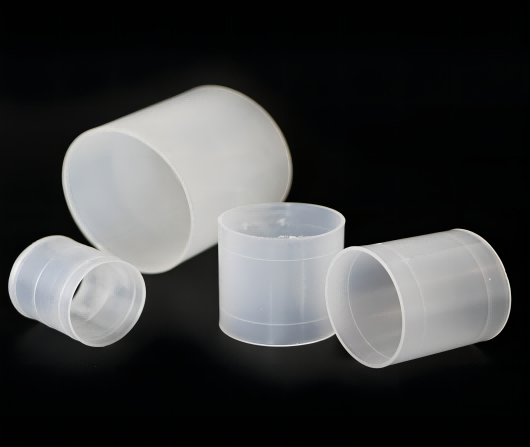
플라스틱 Raschig 링 타워 포장
가장 초기에 개발된 것입니다. 무작위 포장, 높이는 외부와 동일합니다. 지름. 라시그 링 독일의 화학자 프리드리히 라시히(Friedrich Raschig)가 발명했습니다. 1914년은 Fill HD의 개발이 과학적인 궤도에 진입했다는 의미이기도 합니다. 그러나 실제 적용에서는 "Wall flow, Channel flow etc."와 같은 Packed bed에서 자주 발생했습니다. 
plastic snowflake ring tower packing
플라스틱 눈송이 무작위 포장 타워 포장
플라스틱 눈꽃 반지 고효율이다 그 모양 때문에 이름 붙여진 타워 패킹. 비중이 낮고 비중이 크다. 범람점, 큰 다공성, 높은 질량 전송 장치 높이. 게다가, 이 무작위 패킹은 압력 강하가 더 낮습니다. 배압 현상을 감소시키고 에너지 소비를 최소화합니다. 벗기는 과정. 플라스틱 눈송이 반지는 아주 입니다 경제적입니다. 염소에 적용할 수 있습니다. 그리고 브롬 생산, 공기 별거 및 물 냉각 과정. 
plastic flat ring
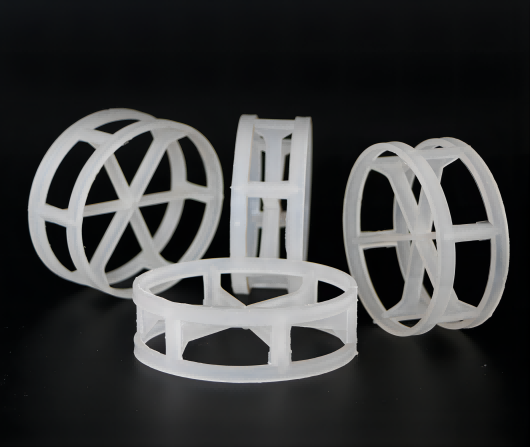
플라스틱 플랫 링 타워 포장
플랫 링 SMR이라고도 합니다(슈퍼 미니 링), 그것은 고급입니다 무작위 포장 ~에 그만큼 기둥 타워 포장. 캐스케이드 미니링과 유사한 구조를 갖고 있으며, 상단과 하단에 플랜징 구조가 없습니다. 패킹 강도를 향상시킬 수 있습니다. 내부 블레이드의 호를 조정합니다. 합리적인 흐름 구조, 낮은 압력을 가지고 있습니다.확실한 낙하 및 높은 물질 전달 성능. 슈퍼 미니 링은 크게 두 가지 종류가 있는데, QH-1 및 QH-2로 명명됩니다. 
plastic super saddle ring tower packing
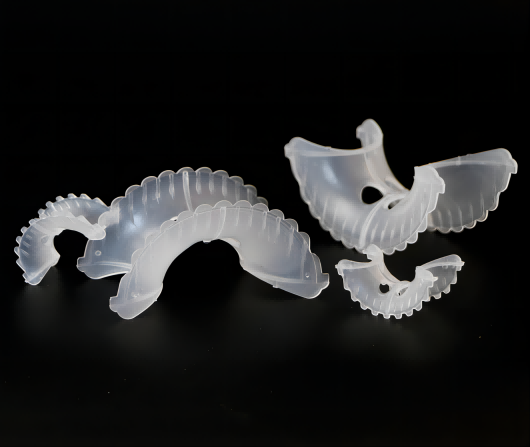
플라스틱 슈퍼 안장 링 타워 포장
Intalox 링의 구조를 기반으로 개선된 링이었습니다. 가장 큰 개선Intalox 안장의 호 프로필은 물결 모양 또는 들쭉날쭉한 프로필로 변경됩니다. 그 사이에 증가아크 액체 채널의 중간 위치에 일부 기공이 있습니다. 이것 구조변경으로 패킹의 접촉간격이 증가할 뿐만 아니라, 포장층 내 가스 및 액체의 이동 및 분포
plastic ralu ring tower packing
플라스틱 Ralu 무작위 포장 타워 포장
개선된 폴링입니다. 가장 큰 개선점은 회전율을 높이는 것입니다. 그리고 양쪽 끝의 벽 두께. 분리 효율을 바꾸지 않고 침대 높이를 줄일 수 있습니다. 압력 강하를 줄이기 위해..
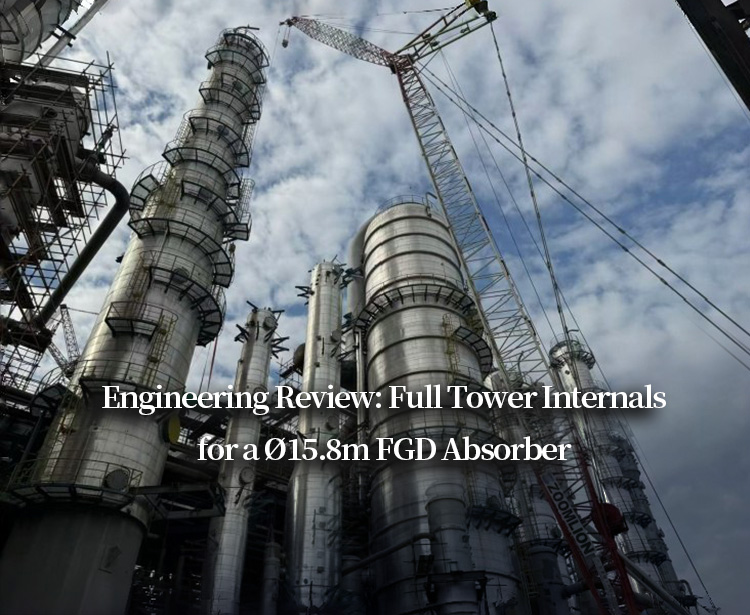
타워 내부
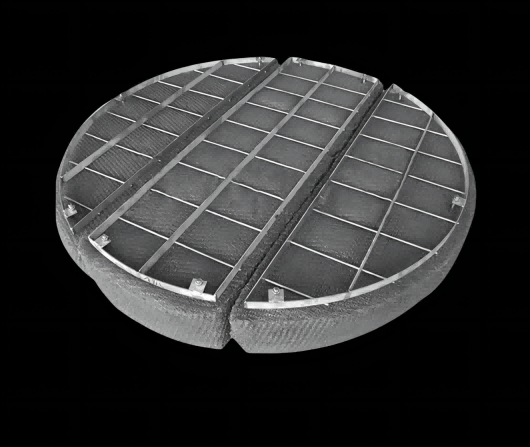
Knitted Wire Mesh Demister Wire Mesh Mist Eliminator
니트 와이어 메쉬 서리 제거 장치 와이어 메쉬 미스트 제거기
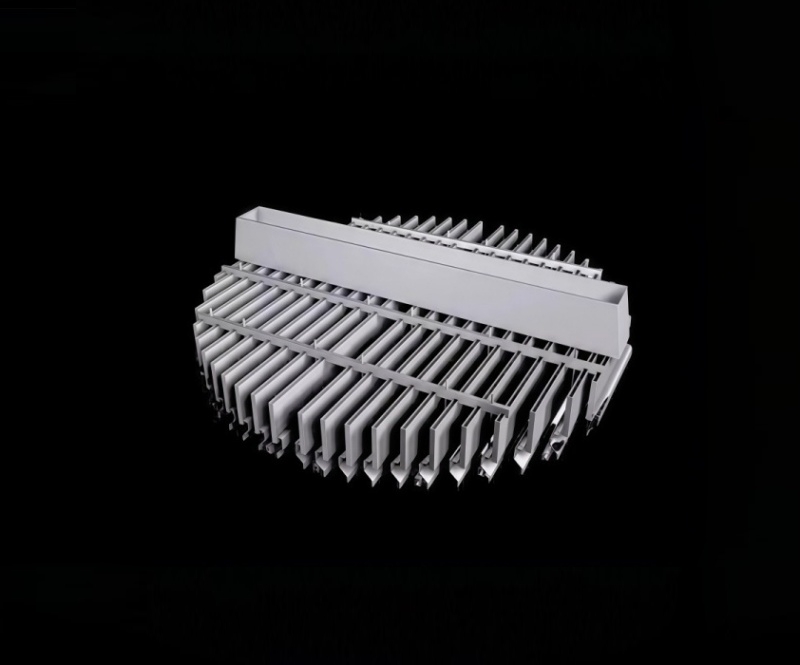
메쉬 패드 디미스터, 베인형 미스트 제거기를 포함한 전체 미스트 제거 장치 혼입된 액체를 분리하기 위한 액체 코어레서도 제공됩니다. 제품은 광범위한 응용 분야에 맞게 다양한 금속, 플라스틱 및 열가소성 수지로 제공됩니다.안개 제거기는 충전된 컬럼의 상단에 사용되거나 두 개의 충전된 베드 사이의 수집 트레이와 함께 사용됩니다. 그들 가스 흐름에서 액체 방울을 분리합니다. 컬럼에서 액적 배출 및/또는 한 단계에서 액체 동반 다음은 최소화됩니다. 당사의 미스트 제거기는 특정 응용 분야에서 최적의 성능을 발휘하도록 설계되었습니다. 
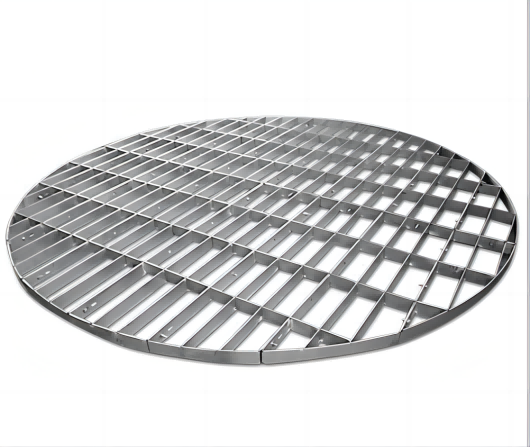
Support Grid Plate
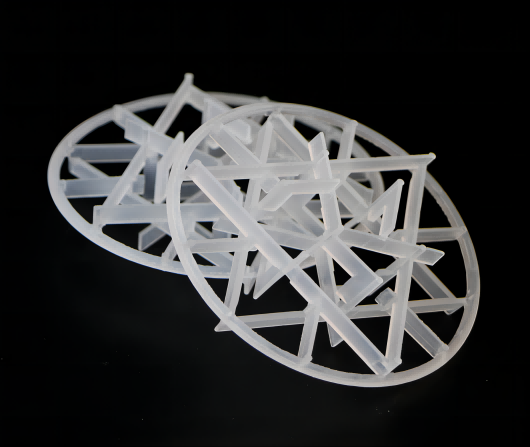
증류탑 무작위 포장 지지 그리드 플레이트
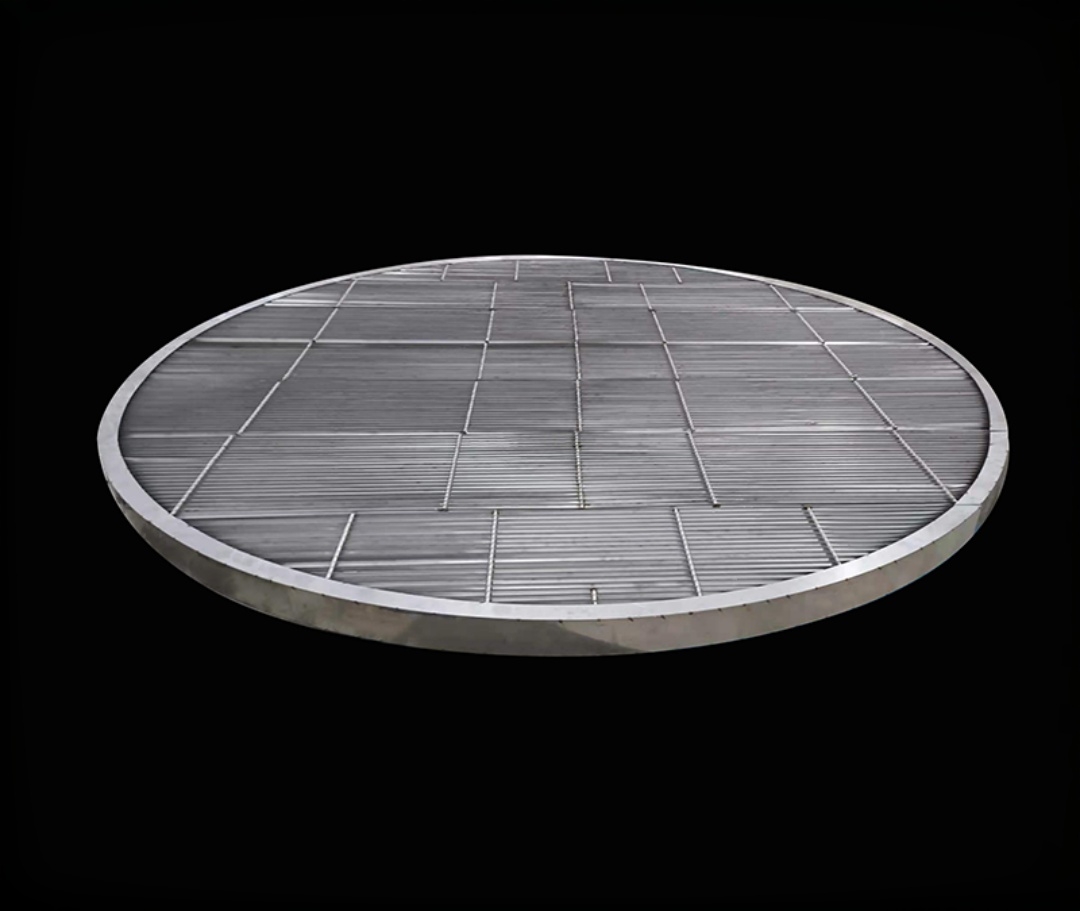
지지 그리드 플레이트 가능한 한 제한 없이 컬럼 내에서 가스와 액체의 흐름을 허용하는 방식으로 구성되어야 합니다. 이는 지지 그리드와 패킹된 베드 사이의 영역에서 특히 중요합니다. 부적절한 패킹 지지체로 인해 가스 흐름이 차단될 위험이 있습니다. 이 장치의 주요 기능은 타워 패킹 베드를 구조적으로 지지하는 것입니다. 지지 그리드는 다양한 목적을 위해 구조화된 포장 프로세스와 무작위 포장 프로세스 모두에서 작동합니다. 
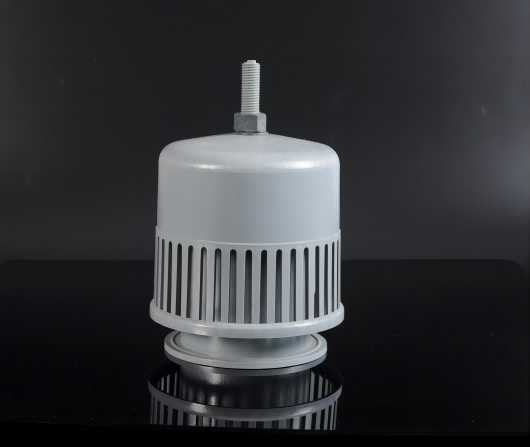
plastic bubble cap tray
화학 산업을 위한 플라스틱 버블 캡
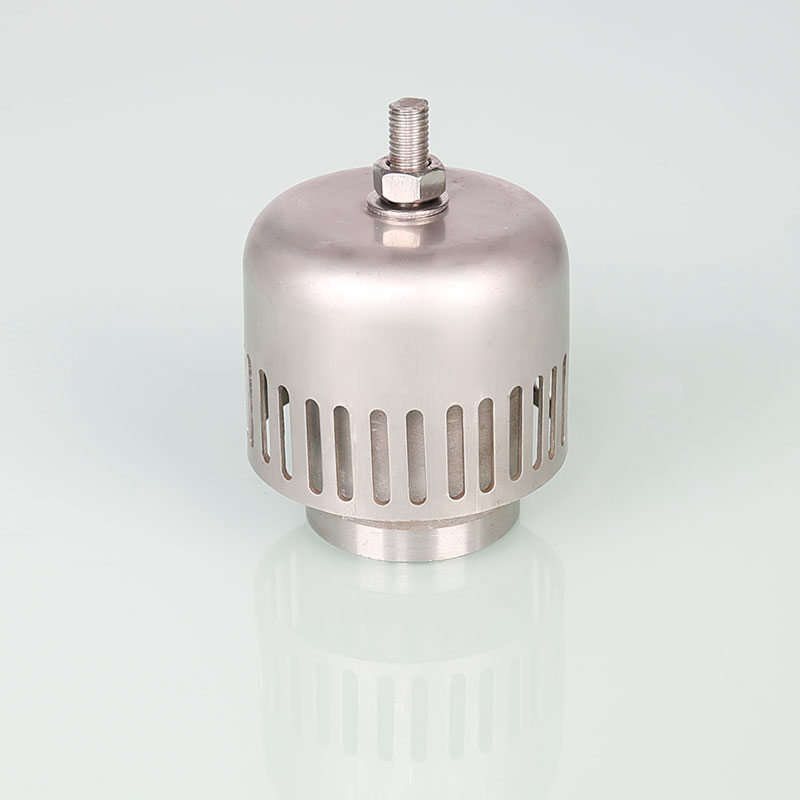
버블캡 트레이 천공 주위에 라이저(파이프와 같은)가 있고 라이저 위에 거꾸로 된 컵 형태의 캡이 있는 평평한 천공판입니다.캡에는 일반적으로 증기가 나오는 슬롯이나 구멍이 있습니다. 캡은 라이저와 캡 사이에 증기가 통과할 수 있는 공간이 있도록 장착됩니다. 증기는 라이저를 통해 상승하고 캡의 슬롯을 통과하는 캡에 의해 아래쪽으로 향하고 마지막으로 트레이의 액체를 통해 거품이 발생합니다. 증기는 많은 통로를 통과해야 하기 때문에 다른 기존 트레이보다 압력 강하가 더 높고 용량이 더 낮습니다. 액체와 거품은 적어도 위어 높이 또는 라이저 높이와 동일한 깊이까지 트레이에 채워져 버블 캡 트레이에 반응 응용 분야에 사용할 수 있는 고유한 기능을 제공합니다.   
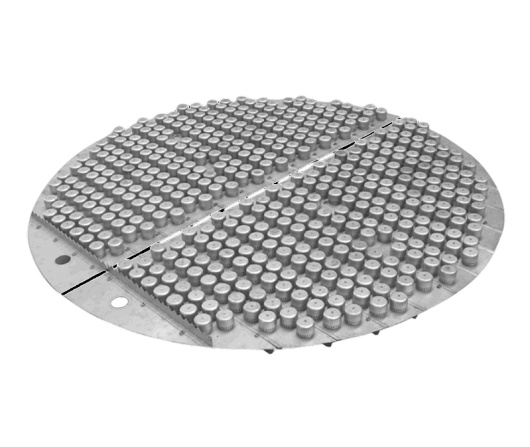
metal bubble cap tray
화학 산업용 금속 버블 캡 트레이
버블 캡 트레이는 액체 부하가 매우 낮고 유연성이 매우 높으며 큰 턴다운 비율이 필요한 응용 분야에 주로 사용됩니다. 버블 캡에는 각 구멍 위에 라이저 또는 굴뚝이 장착되어 있으며 라이저를 덮는 캡이 있습니다. 캡은 라이저와 캡 사이에 증기가 통과할 수 있는 공간이 있도록 장착됩니다. 증기는 굴뚝을 통해 상승하여 캡에 의해 아래로 향하고, 최종적으로 캡의 슬롯을 통해 배출되고, 마지막으로 트레이의 액체를 통해 거품이 일어납니다.   
화학 산업용 금속 버블 캡
화학 산업용 금속 버블 캡
버블캡 트레이 천공 주위에 라이저(파이프와 같은)가 있고 라이저 위에 거꾸로 된 컵 형태의 캡이 있는 평평한 천공판입니다.캡에는 일반적으로 증기가 나오는 슬롯이나 구멍이 있습니다. 캡은 라이저와 캡 사이에 증기가 통과할 수 있는 공간이 있도록 장착됩니다. 증기는 라이저를 통해 상승하고 캡의 슬롯을 통과하는 캡에 의해 아래쪽으로 향하고 마지막으로 트레이의 액체를 통해 거품이 발생합니다. 증기는 많은 통로를 통과해야 하기 때문에 다른 기존 트레이보다 압력 강하가 더 높고 용량이 더 낮습니다. 액체와 거품은 적어도 위어 높이 또는 라이저 높이와 동일한 깊이까지 트레이에 채워져 버블 캡 트레이에 반응 응용 분야에 사용할 수 있는 고유한 기능을 제공합니다.   
포장 타워 및 기둥용 플라스틱 험프 지지대
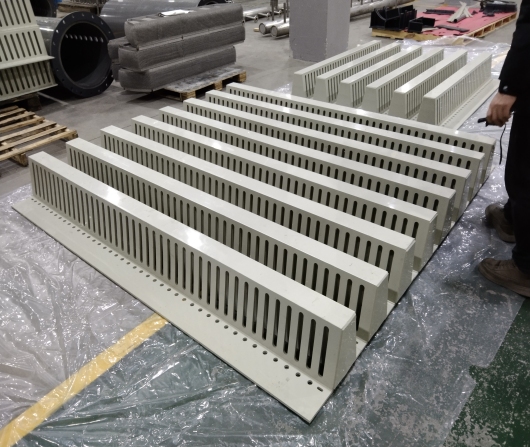
플라스틱 혹 지지대 (라고도 함 패킹 지지 그리드 또는 침대 제한 장치)는 필수 구성 요소입니다 포장된 기둥 그리고 증류탑, 무게를 균등하게 분산시키고 충전재(예: 팔링, 라시히 링 또는 구조적 충전재)가 붕괴되거나 컬럼의 아랫부분이 막히는 것을 방지하도록 설계되었습니다.플라스틱 험프 지지대의 주요 특징재료: 에서 만들어짐 PP(폴리프로필렌), PVDF(폴리비닐리덴플루오라이드), 또는 CPVC, 내화학성을 고려하여 선정되었습니다.설계: 높은 압력을 허용하는 파도와 같은(혹) 또는 격자 패턴 구조 열린 공간 (60-90%) 최적 유체 흐름.기능:지원합니다 포장 매체의 무게 파손을 방지하기 위해.보장합니다 균일한 가스 및 액체 분배.컬럼 아랫부분으로 패킹이 떨어지는 것을 방지합니다.부식 저항성: 적합 산성, 알칼리성 및 유기 화학 환경.가볍고 설치가 간편합니다. 부식성 환경에서 금속 지지대보다 훨씬 더 내구성이 뛰어납니다.응용 프로그램1. 화학 및 석유화학 산업증류, 흡수 및 스크러빙 컬럼:황산, 질산, 염산 공정.가스처리(H₂S, CO₂제거)제약 및 농약 산업에서의 용매 회수.2. 물 및 폐수 처리스크러버 타워 제거하기 위해 암모니아, 염소 및 VOC.냉각탑 최대화를 위한 포장 지원 열전달 효율.3. 대기 오염 관리에서 사용됨 연도 가스 탈황(FGD) 시스템 붙잡다 무작위 포장.냄새 제거 스크러버 산업 배출물에 대해서.4. 석유 및 가스 산업글리콜 탈수탑 (천연가스 처리).아민 감미료 장치 (H₂S 및 CO₂ 제거).
기타
bio ball filter
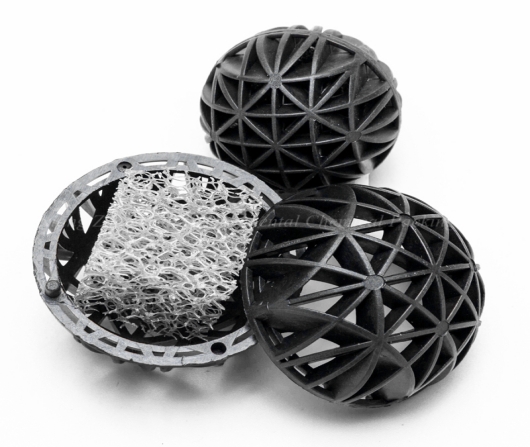
수처리용 플라스틱 바이오 볼 패킹
Jaeger Tri가 발명했습니다. 일반적으로 트라이팩의 가장 큰 장점은 표면적이 크지 않다는 점입니다. 리브, 스트럿 및 드립 로드의 독특한 형태는 Tri-Packs 타워 포장재에 탁월한 습윤 특성을 제공하고 베드 전체에 균일한 액체 분포를 유지하는 능력을 제공합니다. 전통적인 물질 전달 이론에서는 표면적이 크면 물질 전달 효율이 높아진다고 생각하는 경우가 많습니다. 때로는 과도한 표면적이 가스/액체 접촉을 방해하고 더 높은 압력 강하를 생성할 수 있습니다. 마지막으로 Packing의 채널 차단으로 이어질 것입니다. 이러한 새로운 이해를 바탕으로 Jaeger는 Tri-Pack을 발명했습니다. 기본적으로 이 팩은 패킹된 베드에 의한 연속적인 액적 형성을 촉진하여 가스와 세정액 사이의 최대 표면 수축을 제공합니다. Air Stripping, Degasifier, Scrubber에 대한 최고의 Packing in으로 인정받았습니다.    
MBBR packing for water treatment
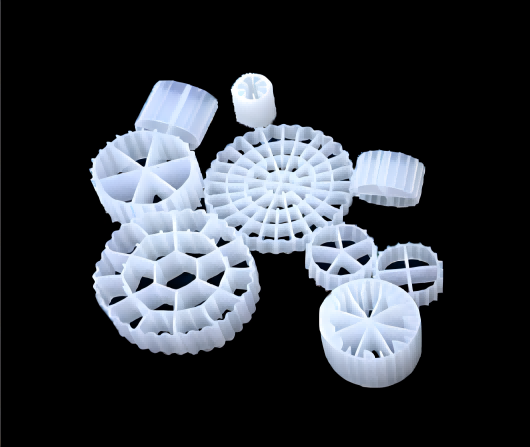
수처리용 플라스틱 MBBR
1980년대 후반 과학기술대학교 Hallvard Degaard 교수가 최초로 발명한 폐수처리 공정의 일종입니다. MBBR 시스템은 폭기조(활성슬러지조와 유사)와 특수 플라스틱 담체로 구성됩니다. 생물막이 자랄 수 있는 표면을 제공합니다. 캐리어는 물의 밀도(1g/cm3)에 가까운 밀도를 갖는 재료로 만들어집니다. 예를 들어 밀도가 0.95g/cm3에 가까운 고밀도 폴리에틸렌(HDPE)이 있습니다. 담체는 폭기 시스템에 의해 탱크 내에서 혼합되므로 유입 폐수의 기질과 담체의 바이오매스 사이에 양호한 접촉이 있게 됩니다.  
igel ball
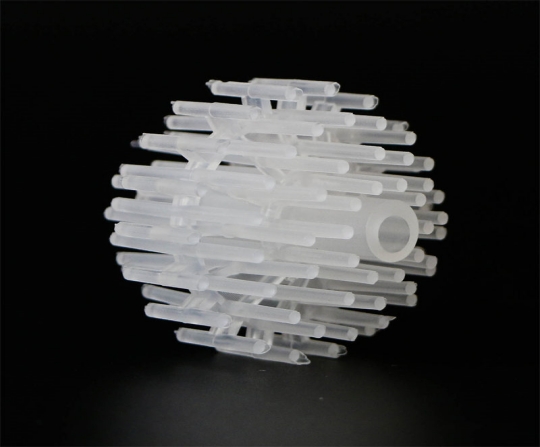
수처리용 플라스틱 Igel 볼
이겔 볼 폴리프로필렌을 주로 원료로 사용하는 일반적인 바이오필터 소재로 사출성형 공정을 통해 가시가 많은 다침형 플라스틱 볼로 가공됩니다. 작은 원통형 몸체가 볼에 고르게 분포되어 증기와 액체의 분포 지점이 증가하여 증기와 액체를 완전히 분산시킬 수 있습니다.      

Fxsino에 오신 것을 환영합니다

1998
회사 설립연도
  • 600
    0+

    전문 직원

  • 168
    0+

    협력 국가

  • 24*7
    24*7

    열정적인 온라인 서비스

최근 뉴스

소식
  • 032026-04
    Solving Five Major Separation Challenges: How Metal Structured Packing Unlocks Efficiency and Energy-Saving Potential for Your Chemical Plant
    Quick Summary:Facing challenges like high-purity separation requirements, massive energy consumption, equipment size constraints, corrosive media, and frequent process fluctuations? Traditional tower internals often fall short. This article directly addresses five core pain points in chemical plants, explaining how Metal Structured Packing, with its high theoretical stages, extremely low pressure drop, high capacity, excellent corrosion resistance, and wide operational flexibility, serves as a powerful tool for process upgrades and optimization. Ayrtter, based on extensive industry application experience, provides professional technical solutions to help you with precise selection, achieving a leap in separation efficiency and effective control of operational costs. "Our distillation column separation efficiency is always stuck at a bottleneck, product purity won't improve..." "Steam consumption is a bottomless pit, energy costs are suffocating..." "We want to expand capacity, but the plant footprint is fixed, a complete rebuild isn't realistic..." "Handling corrosive materials, the packing lifespan is short, maintenance costs are too high..." "With just a slight feed fluctuation, column operation becomes unstable, product quality is inconsistent..." These real voices from process engineers and production managers reveal common core challenges in chemical separation processes. When traditional trays or random dumped packing​ struggle to meet increasingly stringent efficiency and energy demands, Metal Structured Packing​ has emerged as a key technology for modern process industries to break through bottlenecks. This article focuses on five common engineering challenges, analyzing how metal structured packing provides systematic solutions Challenge One: How to Meet Stringent High-Purity Separation Requirements? In the production of fine chemicals, electronic chemicals, and pharmaceutical intermediates, product purity requirements are nearly苛刻, translating directly into extreme demands for the theoretical stage count​ and separation efficiency​ of tower internals. The solution from metal structured packing lies in its superior microstructure.​ Taking Ayrtter's AY-MSP350X​ model as an example, its regular corrugated channels create exceptionally uniform gas-liquid distribution, virtually eliminating maldistribution phenomena like "channeling" and "wall flow," allowing each theoretical stage to perform at its maximum potential. Compared to conventional random packing, metal structured packing can increase the theoretical stage count by over 30% at the same column height. This means: Either​ achieving higher product purity within the existing column height. Or​ significantly reducing column height to meet the same separation requirement, thereby lowering equipment investment and footprint. Challenge Two: How to Effectively Reduce Massive Separation Energy Consumption? Separation processes, especially distillation, are major "energy consumers" in chemical plants. The energy is primarily consumed in providing reboiler heat at the column bottom, and the column pressure drop is a key factor determining the reboiler temperature (and thus energy consumption). Metal structured packing is a natural "energy saver."​ Gas flows through its internal regular, smooth channels with minimal resistance. Data shows that at the same gas velocity, the pressure drop of metal structured packing is typically only 1/4 to 1/3 that of random packing. Lower pressure drop means:   For vacuum distillation, the bottom temperature can be reduced further, significantly lowering steam consumption and better protecting heat-sensitive materials. For atmospheric/pressure distillation, the low pressure drop allows operation at higher capacities or directly reduces overall reboiler energy consumption. In a refinery vacuum column retrofit case, switching to high-efficiency structured packing resulted in a 15-20% reduction in steam consumption​ with a very short payback period. Challenge Three: How to Achieve Capacity Expansion Within Limited Plant Space? Market opportunities are fleeting, but building new columns takes time and significant investment. How to tap the potential of existing equipment within the original framework is a practical challenge for many plants. The high capacity characteristic of metal structured packing makes this possible.​ Due to its excellent hydrodynamic performance, it can handle larger gas and liquid phase loads before reaching the flooding point. In actual capacity expansion revamps, by replacing with Ayrtter's high-capacity metal structured packing, it's often possible to achieve a 20%-40% increase in processing capacity without changing the column diameter. This is equivalent to gaining nearly the capacity of a new production line at the cost of an "internal column surgery," offering a very high return on investment. Challenge Four: How to Handle Corrosive Media and Harsh Process Environments? When processing acid gases, halides, or other corrosive systems, the long-term stable operation of equipment is a significant test. The advantage of metal structured packing lies in its diversity of materials and customizability. Ayrtter not only provides conventional 304, 316L stainless steel materials but can also supply packing manufactured from duplex steel, Hastelloy, or even titanium​ based on material characteristics. More importantly, we can apply special passivation treatments or functional coatings​ to the packing surface to further enhance its corrosion resistance, fouling resistance, or improve its wettability. This comprehensive protection from the "skeleton" to the "skin" ensures long service life and stable performance in harsh environments. Challenge Five: How to Adapt to Frequent Feed Fluctuations and Flexible Production? Modern plants often need to switch product grades or handle feedstocks with fluctuating compositions, requiring separation columns to have good operational flexibility. Metal structured packing maintains high separation efficiency over a wide range of operating loads.​ Compared to trays, it lacks distinct "weeping" or "entrainment"拐点; compared to some random packing, its efficiency decline curve with load is gentler. This means that when feed rate or composition varies within a certain range, metal structured packing can still ensure stable product quality, providing reliable support for flexible plant operations. Scientific Selection: From "Usable" to "Optimal" Recognizing the advantages of metal structured packing is only the first step. Achieving the leap from "usable" to "optimal" hinges on scientific selection. This requires comprehensive consideration of: Process Objectives: Is the goal ultimate purity (choose higher specific surface area models like 500Y), or maximum processing capacity (choose high-capacity models like 125Y/250Y)? Physical Properties: The corrosiveness, foaming tendency, and cleanliness of the material determine the choice of material and surface treatment. Operating Conditions: Vacuum, atmospheric, or high-pressure operation, continuous or batch production, all influence the final design. Ayrtter's technical team can provide professional process simulation support​ and customized design​ to ensure the selected packing perfectly matches your process flow, unlocking maximum value.   SEO TDK Suggestions Title (60 chars): Solve 5 Separation Challenges: Metal Structured Packing Efficiency Guide - Ayrtter Meta Description (280 chars): Struggling with low purity, high energy use, or capacity limits? Ayrtter explains how Metal Structured Packing solves 5 core chemical separation pain points. Get high efficiency, low pressure drop, corrosion-resistant solutions. Download our selection guide. Article Tags: Metal Structured Packing, Separation Efficiency, Distillation Energy Saving, Chemical Packing Selection, High Pressure Drop Solution, Corrosion Resistant Packing, Column Capacity Expansion, Process Optimization, Mass Transfer Equipment, Ayrtter Solutions   Structured Data (FAQPage Schema) Expert Commentary & Analysis:Currently, the application of metal structured packing has moved from单纯的 "performance replacement" into a new phase of "process empowerment." Its value is no longer confined to the column interior but is deeply integrated with the plant's overall energy efficiency management, flexible production, and carbon reduction goals. Under the "Dual Carbon" goals, the reliance of absorption/stripping columns in CCUS​ projects on high-capacity, low-pressure-drop​ packing is clear evidence. However, product performance in the market varies, and the real gap lies in the deep understanding of the process and precise engineering conversion capability. Ayrtter's practical experience shows that a successful project begins with accurately dissecting the client's pain points and succeeds through the deep integration of Computational Fluid Dynamics analysis, materials science, and manufacturing processes. In the future, suppliers capable of providing integrated solutions from simulation, custom production to performance guarantee​ will play a central role in driving the industry's efficiency revolution.
    더 읽어보기
  • 282026-03
    Case Study: Solving Chronic Tower Downtime & High Energy Costs in a Sulfuric Acid Plant with Ceramic Super Saddle Rings
    Quick Summary:A major sulfuric acid producer in China faced persistent operational challenges: excessive pressure drop in drying/absorption towers and frequent, costly shutdowns due to packing degradation. After retrofitting with Ayrtter's Ceramic Super Saddle Rings, the plant achieved a ~55% reduction in system pressure drop, extended packing service life beyond 5 years, and significantly lowered energy consumption. This data-driven case study details the problem, solution, and verified results.   The Operational Challenge: Efficiency Loss in a Corrosive Environment A large-scale sulfuric acid production facility in Eastern China, with an annual capacity exceeding 500,000 tons, was grappling with chronic inefficiencies in its core process units: the drying and absorption towers. The traditional ceramic random packing inside these towers was failing to perform reliably under the severe conditions of high-temperature, concentrated sulfuric acid. The plant's engineering team was besieged by three interconnected problems: Unsustainable Energy Costs:​ The existing packing created high flow resistance, leading to excessive system pressure drop. This forced the plant's large blower and fan systems to operate at higher power draws, resulting in steep and rising electricity costs. The Cycle of Unplanned Downtime:​ Subjected to corrosive attack and thermal stress, the conventional packing deteriorated rapidly, suffering from breakage and fines generation. This caused channeling, further increased pressure drop, and ultimately necessitated a full packing replacement every 2-3 years. Each unplanned shutdown meant significant production loss and high maintenance costs. Unpredictable Performance:​ As the packing degraded, the tower's separation efficiency became unstable. This volatility threatened consistent product quality and prevented the plant from operating safely at its designed, optimal capacity. Finding a packing solution that could withstand the extreme environment while fundamentally improving hydraulic performance was critical. Options like Metal Pall Rings​ were unsuitable due to corrosion, and plastic materials could not handle the operating temperatures. The Engineered Solution: A Data-Backed Decision for Ceramic Super Saddle Rings Following a comprehensive technical review, the plant partnered with Ayrtter. The analysis conclusively identified Ceramic Super Saddle Rings​ as the optimal solution, based on three decisive advantages perfectly aligned with the application's demands: Designed for Hydraulic Superiority:​ The unique saddle shape with internal arches and a textured surface prevents nesting and creates a bed with a high void fraction. This geometry is engineered to minimize gas flow resistance, directly targeting the root cause of high energy consumption. Built for Severe-Service Longevity:​ Manufactured from a high-alumina ceramic formulation, these rings offer >99.6% resistance to sulfuric acid​ and excellent thermal shock resistance. This material integrity promised the durability needed to break the costly cycle of frequent packing replacement. Validated by Proven Performance:​ Ayrtter​ provided documented case histories and performance data from similar sulfuric acid applications, giving the client confidence that the theoretical benefits would translate into tangible, real-world results. Implementation: A Measured, Pilot Retrofit Approach The plant adopted a cautious, data-focused strategy. One critical drying tower was selected for a pilot retrofit. During a scheduled maintenance outage, the old ceramic packing was replaced with Ayrtter 50mm Ceramic Super Saddle Rings. After recommissioning, the team meticulously monitored key performance indicators for over 12 months. The collected operational data, summarized in the table below, provided clear and compelling evidence of the solution's effectiveness. A Clear Comparison: Documented Performance Metrics Performance Metric Before Retrofit (Legacy Ceramic Packing) After Retrofit (Ayrtter Ceramic Super Saddle Rings) Result Achieved Average System Pressure Drop ~2,800 Pa ~1,260 Pa ~55% Reduction Projected Packing Service Life 24-36 months >60 months(and counting) >100% Increase Potential Tower Throughput Capacity Design Baseline Up to 115% of baseline Up to 15% Increase Operational Stability Declined over time, required close monitoring Stable, predictable performance profile Significantly Enhanced Reliability The Engineering Rationale Behind the Success The outstanding results were a direct consequence of the Ceramic Super Saddle Ring's design directly addressing the failure modes of the previous packing. Solving the Pressure Drop Problem:​ The open, high-void-fraction bed structure​ was crucial. By providing a less restrictive path for process gas, it directly translated into lower energy consumption. The ~55% pressure drop reduction​ allowed the blower to operate at a significantly lower power draw for the same gas flow. Ending the Degradation Cycle:​ The high-alumina ceramic​ used by Ayrtter​ is fired at extreme temperatures, creating a dense, glass-like surface that is virtually impervious to concentrated sulfuric acid. This solved the core issues of corrosion, erosion, and structural failure that previously dictated the short packing lifespan. Unlocking Process Potential:​ The superior geometry not only reduces pressure drop but also enhances liquid distribution and gas-liquid interfacial renewal. This improves mass transfer efficiency in the drying and absorption processes, contributing to more stable operation and the potential for increased throughput. Broader Impact: Benefits Beyond the Metrics Beyond the quantifiable KPIs, the retrofit delivered significant strategic advantages: Predictable Maintenance Scheduling:​ With extended packing life and stable performance, the plant can now schedule maintenance outages years in advance, optimizing production planning and resource allocation. Reduced Operational Risk:​ The elimination of unexpected performance decay or sudden pressure surges has made the production line safer and more controllable. Clear & Compelling ROI:​ The combination of energy savings, avoided production losses from downtime, and extended asset life delivered a rapid and unambiguous return on investment, building a strong case for retrofitting other towers in the plant. Expert Commentary & Analysis:This case study validates a core principle for capital-intensive, severe-service industries: operational reliability is the primary driver of total cost of ownership (TCO).​ While the client's initial focus was on reducing energy costs (addressed by the 55% lower ΔP), the switch to high-performance Ayrtter Ceramic Super Saddle Rings​ delivered systemic TCO benefits: capital preservation (doubled service life), risk mitigation (eliminated unplanned stops), and latent capacity (increased throughput potential). In processes like sulfuric acid production, where the operating environment is fixed, the choice of internal components is the largest variable affecting plant economics. This project demonstrates that specifying advanced, application-engineered materials is not merely a procurement decision, but a strategic investment in plant throughput, efficiency, and long-term asset value. Could Your Operation Achieve Similar Results? If your processes involve corrosive media, high temperatures, or if you are combating rising energy costs and unplanned maintenance cycles, the solution detailed here may be directly applicable. Your Next Step with Ayrtter Request a Technical Assessment:​ Submit your tower specifications and process conditions to Ayrtter's engineering team​ for a confidential feasibility and benefit analysis. Review Product Specifications:​ Access detailed technical data sheets and material certification reports for Ayrtter's Ceramic Super Saddle Rings​ in our product documentation center. Discuss a Pilot Project:​ Contact us to explore structuring a controlled, low-risk retrofit in a single tower to validate performance gains with your own data. SEO & Publishing Data 1. SEO TDK Title:​ Ceramic Super Saddle Ring Case Study: Sulfuric Acid Plant Saves Energy | Ayrtter Meta Description:​ Real-world case study: A China sulfuric acid plant used Ayrtter's Ceramic Super Saddle Rings to cut energy costs by 55% & extend packing life. Data from a leading supplier & manufacturer. 2. Tags Ceramic Super Saddle Ring, Case Study, Sulfuric Acid Plant, Tower Packing, Corrosion Resistant Packing, Energy Saving, China Packing Manufacturer, Random Packing, Absorption Tower, Ayrtter 3. Structured Data (FAQPage Schema) { "@context": "https://schema.org ", "@type": "FAQPage", "mainEntity": [ { "@type": "Question", "name": "What was the main problem faced by the sulfuric acid plant before the retrofit?", "acceptedAnswer": { "@type": "Answer", "text": "The plant struggled with chronically high pressure drop in its drying/absorption towers, leading to excessive energy consumption. The existing ceramic packing also degraded quickly in the hot, concentrated acid, causing unplanned shutdowns for replacement every 2-3 years." } }, { "@type": "Question", "name": "What measurable results were achieved after installing Ayrtter's Ceramic Super Saddle Rings?", "acceptedAnswer": { "@type": "Answer", "text": "The retrofit delivered a approximately 55% reduction in system pressure drop, dramatically lowering energy costs. The packing's service life extended beyond 5 years, eliminating frequent downtime. The tower also demonstrated potential for increased throughput, and operational stability improved significantly." } }, { "@type": "Question", "name": "Why are Ceramic Super Saddle Rings particularly effective for sulfuric acid service?", "acceptedAnswer": { "@type": "Answer", "text": "Their unique open saddle geometry creates a high-void bed for low pressure drop and efficient mass transfer. Manufactured from high-alumina ceramic, they offer superior corrosion resistance (>99.6%) and thermal stability, making them exceptionally durable in concentrated sulfuric acid at high temperatures." } }, { "@type": "Question", "name": "Can Ayrtter provide a similar technical analysis for our application?", "acceptedAnswer": { "@type": "Answer", "text": "Yes. Ayrtter's engineering team can review your specific process parameters and tower data to provide a tailored analysis and projected performance benefits for a retrofit using our high-performance Ceramic Super Saddle Rings or other packing solutions." } } ] }
    더 읽어보기
  • 092025-09
    신장 석유화학공업박람회가 성공적으로 마무리되었습니다.
    2025 신장 석유화학 박람회가 9월 4일부터 6일까지 신장 국제컨벤션센터에서 성황리에 개최되었습니다. "디지털 탄소 중립" 제품 및 솔루션 제공업체인 완쩌타임즈(Wanze Times)는 이번 박람회에서 핵심 기술 매트릭스를 선보이며, 탄소 중립 목표와 산업 관행 간의 가교 역할을 수행했습니다. 이번 박람회의 주제는 "화학 산업 체인 강화 및 새로운 품질 생산성 향상"입니다. 이 박람회는 석유화학 산업의 친환경 업그레이드 및 디지털 전환에 중점을 두고 있으며, 포춘 500대 기업 26곳을 포함한 400개 이상의 전시업체가 참여하고 3만 제곱미터 규모의 전시 면적을 자랑하며 30개 이상의 국가 및 지역에서 기업들이 참여했습니다.전시회 기간 동안 회사 대표들은 신장과 전국 각지의 석유화학 기업 및 업계 전문가들과 심도 있는 교류를 갖고, 디지털 방식을 통해 업계의 문제점을 해결하는 방법을 함께 모색했습니다.
    더 읽어보기

메시지를 남겨주세요

메시지를 남겨주세요
당사 제품에 관심이 있고 자세한 내용을 알고 싶으시면 여기에 메시지를 남겨주시면 최대한 빨리 답변해 드리겠습니다.
제출하다

제품

whatsApp

연락하다